Enjoy every time you play, and don’t overthink it
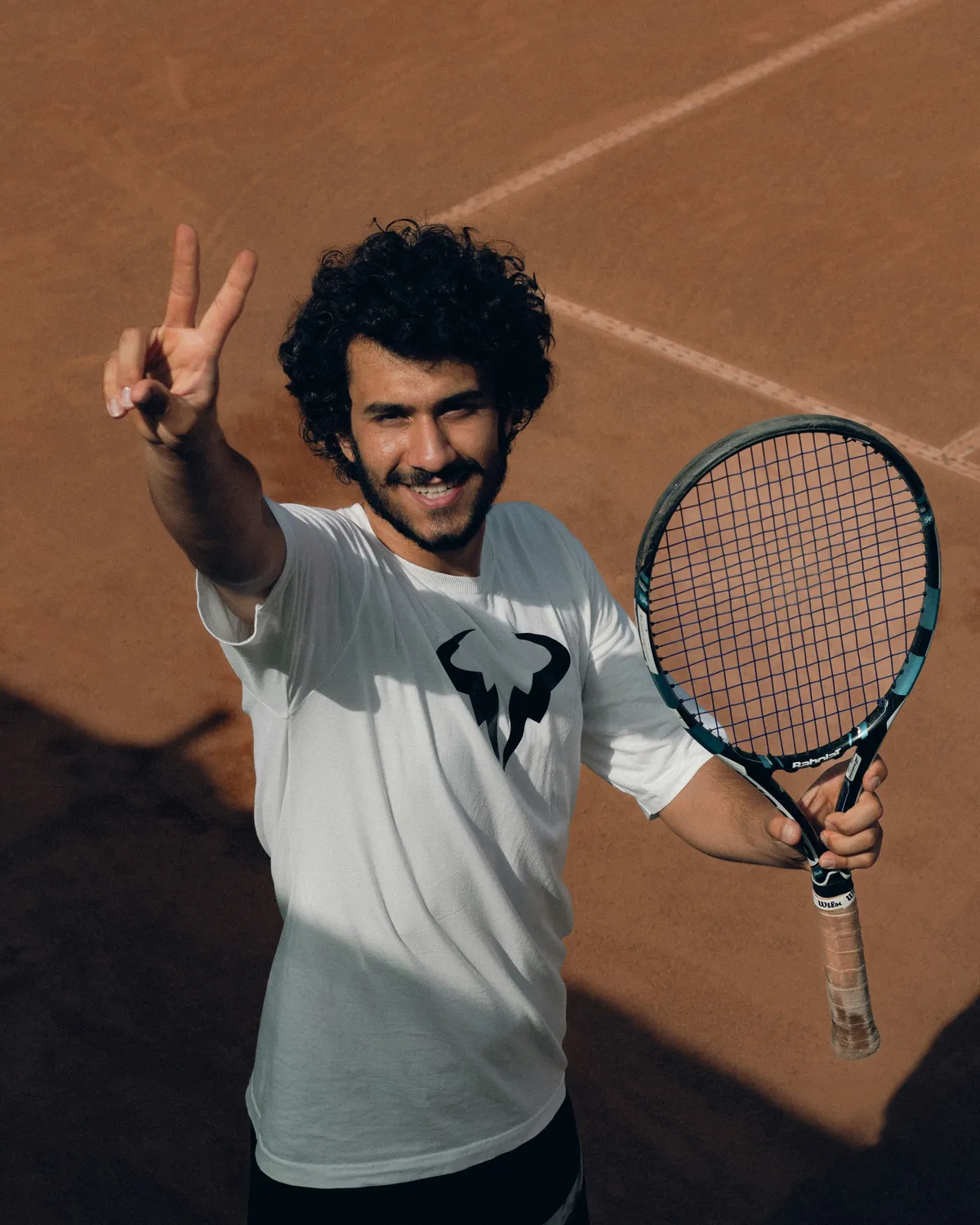
There is a moment in many people’s tennis lives when the game quietly stops being fun. It usually starts with good intentions: watching technique videos, counting unforced errors, replaying every missed backhand on the drive home. Before long, every session feels like an exam. This is a gentle reminder that it does not have to be that way.
You started because it was fun
Think back to why you first picked up a racket. Maybe it was the sound of a clean hit, the fresh air, a friend who needed a partner, or the simple pleasure of chasing a ball. None of those reasons had anything to do with a perfect forehand.
That feeling is still there. It is just easier to notice when you are not grading yourself on every shot.
Overthinking gets in the way
When your head is full of instructions, such as elbow here, wrist there, turn the shoulders, your body tends to tighten up. Strokes that felt loose in the warm-up start to feel stiff. Most players have had the experience of hitting beautifully the moment they stopped trying so hard.
Practice is the place for one clear focus. Once you are playing points, let it go and trust what you have practised. Watch the ball, move your feet, and swing.
It also helps to remember that nobody else is watching as closely as you think. The players on the next court are busy with their own game. Your partner mostly cares that the ball comes back and that you are good company.
A good day is more than a good score
You can lose a match and still have a lovely afternoon: a long rally you will remember, a laugh at the net, an hour outside with your phone in the bag. You can also win and feel flat. The scoreline is only one part of the story.
Try ending each session by noticing one thing you enjoyed. It sounds small, but it changes what you remember and how keen you are to play again.
This matters most for beginners, when the scores can be lopsided for a while. If you only count wins, it is easy to give up. If you count the fun, the friendships and the slow feeling of getting better, there is something to look forward to every time.
Let the reflecting happen after
Not overthinking does not mean not thinking at all. It means putting the thinking in the right place. On court, play. Afterwards, take a minute to jot down how it went: the mood, the moments, maybe one thing to try next time. Then close it and get on with your day.
That is how we use tete: a quick, light journal after play, not a report card. Over time those small entries add up to something lovely, a record of the people, places and good days that tennis gave you.
What is a tennis journal, and why keep one?
Beginner tennis tips: the physical and mental basics
See you on court
Next time you play, leave the checklist at home. Hit the ball, enjoy the rally, say thanks to your partner. The improvement will come, and it comes faster when you are having fun.